

With 2026 safety regulations taking full effect, choosing the right Laboratory Safety Shoes Netherlands is essential for protecting lab professionals from chemical spills, slippery floors, and impact hazards. As the Dutch market expands, safety shoes manufacturers are introducing more specialized designs, while smart work safety shoes sourcing strategies help buyers balance quality, compliance, and cost. This guide walks you through certifications, key features, and practical tips for making the right choice this year.
| Product Name | Key Features & Benefits | Applicable Laboratories |
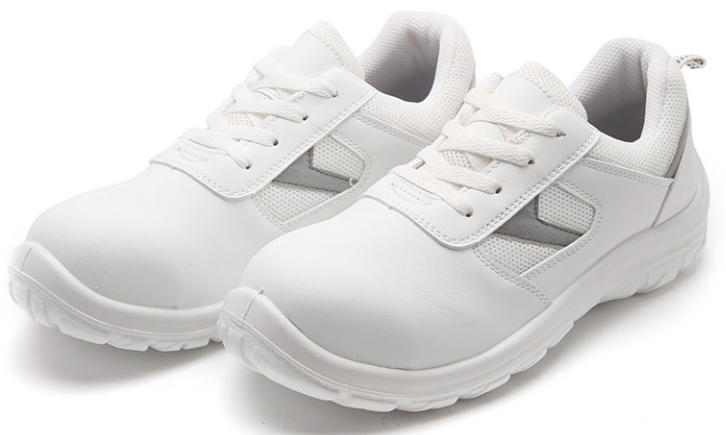
| MK2039 White Electrical Protection Light Medical Safety Shoes | Anti-static, steel toe cap for impact protection, lightweight & comfortable, slip-resistant, clean white easy-to-clean upper. | Medical, cleanrooms, electronics, laboratories, and other hygiene/static-sensitive environments. |
| MK2036 Steel toe cap anti static white slip resistant work shoes | Anti-static, steel toe cap, steel midsole for puncture resistance, shock-absorbing, slip-resistant, neat appearance. | Electronics laboratories (R&D, testing, QC, and other related roles). |
| MK2041 Breathable sports protective thick-soled workshop safety shoes | Anti-static, steel toe cap, steel midsole for puncture resistance, breathable sports-style design, thick cushioned outsole reduces foot fatigue from prolonged standing, slip-resistant. | Electronics laboratories (R&D, testing, QC, etc.), especially suitable for work environments requiring long periods of standing or frequent walking. |
Key Standards for Laboratory Safety Shoes Netherlands
In the Netherlands, laboratory safety footwear must comply with strict European standards. EN ISO 20345 certification is the foundation, requiring basic protection such as impact resistance and anti-static properties. For laboratories handling chemicals, EN 13832 is critical. SRC-rated slip resistance is essential for wet or oily floors, while waterproof materials, anti-puncture midsoles, and ESD protection may be required based on risk assessment. When selecting Laboratory Safety Shoes Netherlands, comfort and ergonomics are equally important, as lab professionals often stand or walk for extended hours. Buyers should prioritize certified products, verify supplier documentation, and conduct wear trials before bulk purchasing to ensure that the chosen Laboratory Safety Shoes Netherlands truly meet both safety and comfort needs in real working conditions.
- EN ISO 20345 – Basic safety standard: impact resistance and anti-static (mandatory).
- EN 13832 – Chemical protection standard. Part 3 covers prolonged contact with chemicals.
- SRC slip resistance – Highest rating, tested on both wet ceramic tile and steel with glycerol.
-
Note: Under EN ISO 20345:2022, the new “SR” marking gradually replaces SRC/SRA/SRB.
Standing Out in the Dutch Laboratory Safety Shoe Market – Key Differentiators
Meeting Core Safety Standards for Dutch Laboratories:
This is the foundation for standing out in the Laboratory Safety Shoes Netherlands market. Laboratories in the Netherlands generally comply with EU (EN) standards, with specific emphasis on chemical protection.
- Compliance with EN ISO 20345 and higher grades: This is the basic standard for safety footwear. In laboratory settings, S2 grade or higher protection is typically required, meaning the shoes feature anti-static properties, water-resistant uppers, and heel energy absorption.
- Meeting the specific chemical protection standard (NEN-EN 13832): This is a decisive differentiator for Laboratory Safety Shoes Netherlands offerings. The Dutch national standardization institute (NEN) clearly specifies that for chemical protection under laboratory conditions, the dedicated NEN-EN 13832 standard applies. This standard sets specific requirements for footwear that is “chemical-resistant under laboratory conditions” and “highly chemical-resistant under laboratory conditions.” Safety shoes that explicitly comply with this standard will precisely address the core needs of professional users.
Addressing Common Laboratory Risks with Targeted Solutions:
Beyond standards, product features need to directly solve the specific pain points of Dutch laboratories.Superior chemical resistance: Dutch laboratory guidelines repeatedly emphasize that safety shoes must be worn when handling toxic or corrosive substances. Therefore, upper materials need to resist splashes and penetration from common laboratory chemicals. While the ALBATROS safety shoes mentioned in search results primarily feature metal-free construction and carbon fiber toe caps, their water-repellent microfiber uppers also suggest easy cleaning and good liquid protection—a strong direction to follow.
- Compliance with laboratory safety dress codes: Safety guidelines from Dutch universities (e.g., University of Twente) explicitly require wearing “closed, stable shoes.” This means the shoes must have enclosed toe areas and a sturdy structure that provides comprehensive protection.
- Meeting protection requirements for specific work areas: Beyond basic impact and puncture protection, Dutch laboratory safety culture strongly emphasizes risk-assessment-based PPE selection. For example, in addition to anti-static properties, impact protection (steel or composite toe caps)and puncture resistance (puncture-resistant midsoles) remain important selling points for areas involving heavy equipment or sharp objects. These are not outdated needs but rather differentiated requirements across various laboratory roles.
Highlighting “Dutch-Flavored” Added Value
Beyond standards, product features need to directly solve the specific pain points of Dutch laboratories—this is what truly sets Laboratory Safety Shoes Netherlands apart.
Superior chemical resistance: Dutch laboratory guidelines repeatedly emphasize that safety shoes must be worn when handling toxic or corrosive substances. Therefore, upper materials need to resist splashes and penetration from common laboratory chemicals. While the ALBATROS safety shoes mentioned in search results primarily feature metal-free construction and carbon fiber toe caps, their water-repellent microfiber uppers also suggest easy cleaning and good liquid protection—a strong direction to follow for Laboratory Safety Shoes Netherlands.
- Compliance with laboratory safety dress codes: Safety guidelines from Dutch universities (e.g., University of Twente) explicitly require wearing “closed, stable shoes.” This means the shoes must have enclosed toe areas and a sturdy structure that provides comprehensive protection.
- Meeting protection requirements for specific work areas: Beyond basic impact and puncture protection, Dutch laboratory safety culture strongly emphasizes risk-assessment-based PPE selection. For example, in addition to anti-static properties, impact protection (steel or composite toe caps) and puncture resistance (puncture-resistant midsoles) remain important selling points for areas involving heavy equipment or sharp objects. These are not outdated needs but rather differentiated requirements across various laboratory roles.
To stand out under the keyword “Laboratory Safety Shoes Netherlands,” an ideal product should clearly convey that it is not just a pair of safety shoes, but a solution that fully complies with the highest Dutch and European laboratory safety standards (particularly NEN-EN 13832), precisely addresses chemical, physical, and electrostatic risks, and simultaneously caters to the local workplace’s pursuit of comfort, cleanliness, and innovative design.
Buying Checklist – Laboratory Safety Shoes Netherlands
-
EN ISO 20345 Compliance – Ensure at least S2 grade or higher (anti-static, water-resistant upper, heel energy absorption).
-
NEN-EN 13832 Certification – Critical for chemical resistance under laboratory conditions; a decisive differentiator in the Dutch market.
-
Chemical Resistance – Upper materials must resist splashes and penetration from common lab chemicals (acids, solvents, corrosives).
-
Closed & Stable Construction – Enclosed toe area and sturdy structure as required by Dutch university lab safety guidelines.
-
Impact & Puncture Protection – Steel or composite toe caps + puncture-resistant midsoles for areas with heavy equipment or sharp objects.
-
Anti-Static Properties – Essential for electronics labs and static-sensitive environments.
-
Slip Resistance – Reliable traction on wet or slightly contaminated floors common in laboratory settings.
-
Cleanroom-Friendly Design – White or light-colored uppers, easy-to-clean materials, and non-shedding construction for hygiene-sensitive labs.
-
Comfort for Long Hours – Lightweight design, cushioned outsoles, and breathable materials to reduce foot fatigue during prolonged standing or walking.
-
Metal-Free Option – Carbon fiber composite toe caps for environments requiring metal-free PPE (e.g., secure facilities with metal detectors).
Top-Tier MK Safety Shoes for Laboratory Safety Shoes Netherlands
MK2039 White Electrical Protection Light Medical Safety Shoes – Key Features & Benefits

-
Electrical Safety Protection: Anti-static design, ideal for electronics, medical, and other static-sensitive work environments.
-
Lightweight & Comfortable: Low-ankle style + microfiber leather upper, soft and lightweight for all-day wearing comfort.
-
Basic Foot Protection: Steel toe cap provides impact resistance, protecting toes from falling objects.
-
Multi-Safety Performance: Slip-resistant, puncture-resistant (depending on configuration), and shock-absorbing heel to reduce workplace risks.
-
Unisex Sizing: Designed for both men and women, with a wide size range (38–46 / 4–12).
-
Clean Appearance: White upper, suitable for cleanrooms, hospitals, laboratories, and other hygiene-sensitive environments.
MKsafety® – MK2036 Steel toe cap anti static white slip resistant work shoes